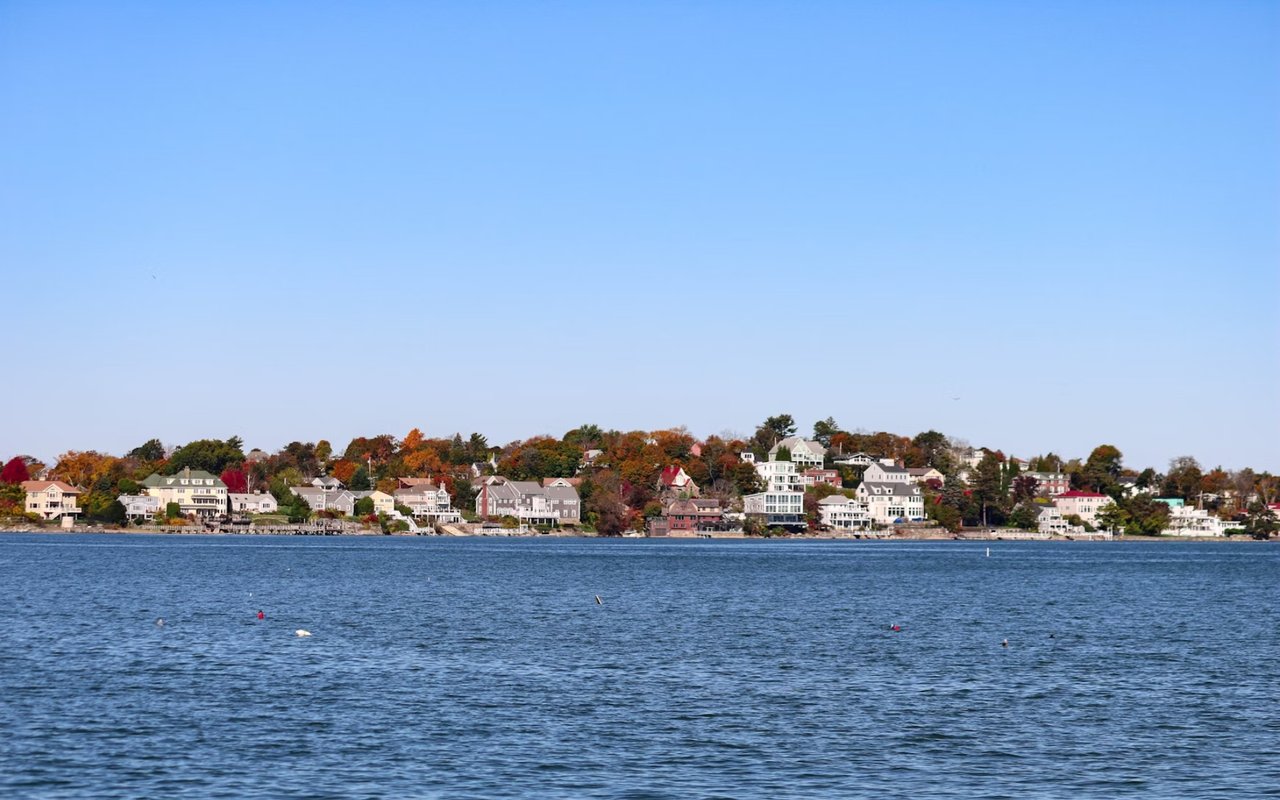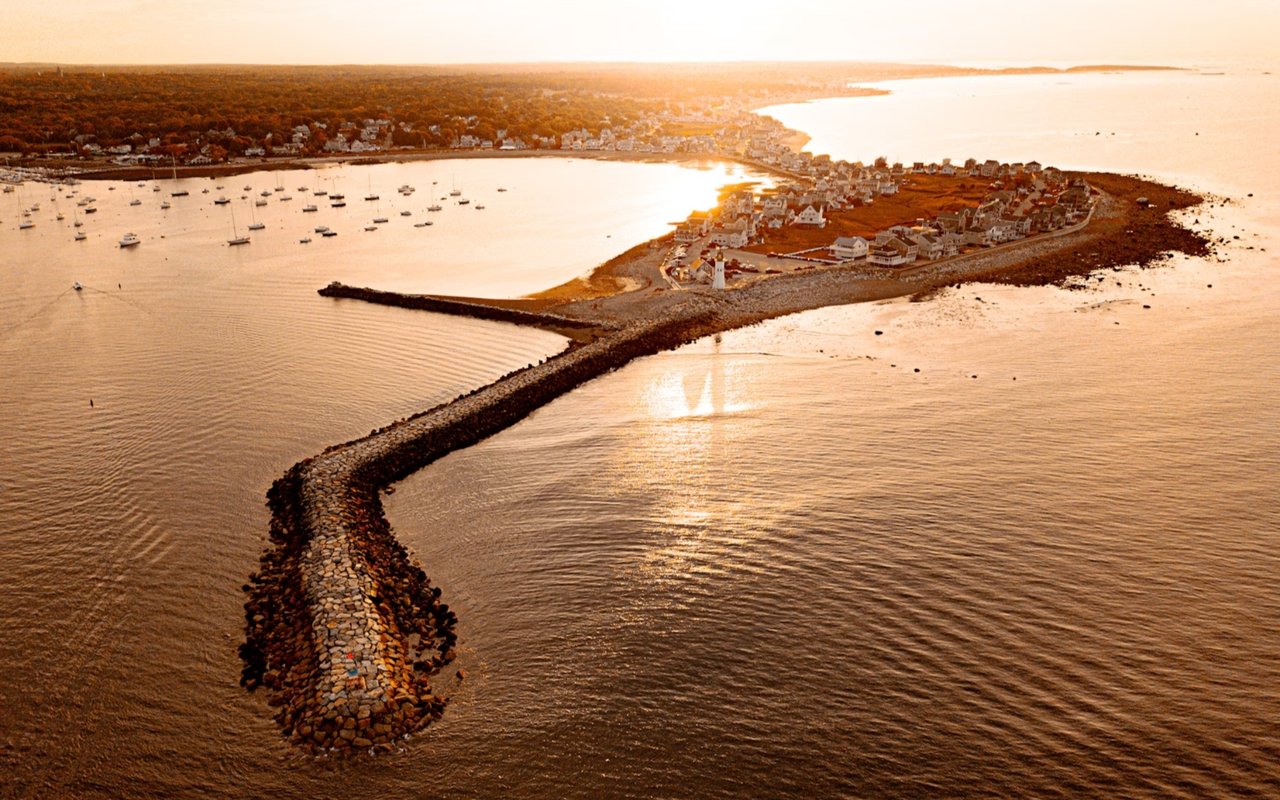
Nestled along the South Shore of Massachusetts, Scituate is a seaside town with a history as rich as its ocean views. Its coastal location made it a vital part of the region's maritime and military past, while its enduring landmarks tell stories of courage, resilience, and community. For history buffs, Scituate is more than a beautiful place to visit — it's a living museum of New England’s heritage. From Revolutionary War legends to shipwreck tales, here’s a look at the landmarks and stories that make Scituate a must-see for lovers of the past.
The Scituate Lighthouse
Built in 1811, the Scituate Lighthouse is the town’s most iconic symbol and one of the oldest lighthouses on the Massachusetts coast. Initially erected to guide mariners into Scituate Harbor, it gained national fame during the War of 1812 when the “American Army of Two” — sisters Rebecca and Abigail Bates — used a fife and drum to scare off a British warship, leading it to believe the town was heavily defended. This daring act cemented the lighthouse’s legacy not just as a navigational beacon, but as a monument to ingenuity and patriotism.
Lawson Tower
At first glance, Lawson Tower looks more like a medieval turret than a piece of early 20th-century infrastructure. Originally constructed in 1902 by Thomas W. Lawson — a wealthy stockbroker and author — the tower was built to enclose an unsightly steel water tank. Today, it stands as a curious architectural landmark, blending Gothic fantasy with utilitarian function. Visitors can tour the tower and even climb to the top, where panoramic views of Scituate and its surrounding areas await. It’s an unusual but fascinating fusion of history, vanity, and preservation.
The Old Stockbridge Grist Mill
The Old Stockbridge Grist Mill, located along the First Herring Brook, dates back to the 1650s and is one of the oldest surviving mills in the United States. This working mill played a critical role in the early economy of Scituate, grinding corn and grain for settlers. Today, the site offers visitors a glimpse into colonial industry and craftsmanship. Maintained by the Scituate Historical Society, the mill is an educational treasure where the sounds of the past are still echoed in turning wheels and flowing water.
The Bates Sisters and the War of 1812
While the Scituate Lighthouse commemorates the famous Bates sisters’ act of bravery, their story deserves a spotlight of its own. At just 21 and 17 years old, Rebecca and Abigail Bates thwarted a British attack not with weapons, but with music. Their clever ruse, using a fife and drum to simulate an approaching militia, became legendary and helped shape Scituate’s patriotic identity. Their story has been passed down for generations as a symbol of civilian courage and female empowerment in American history.
The Irish Mossing Legacy
In the 19th and early 20th centuries, Scituate became a hub for Irish immigrants who pioneered the harvesting of Irish moss — a type of seaweed used in food and industrial products. This unique form of livelihood provided income for generations and influenced the town’s demographics, leading to the nickname “Irish Riviera.” While no longer a dominant industry, remnants of this era can still be found along the rocky coastlines and in local museum exhibits. It’s a chapter of Scituate’s history that ties together immigration, entrepreneurship, and the ocean’s bounty.
The Maritime and Shipwreck Stories
Scituate's rocky coastline, while beautiful, has seen its share of tragedy. Throughout the 18th and 19th centuries, countless ships met their fate off the Scituate shores, victims of fog, storms, and treacherous waters. These maritime disasters prompted the need for vigilant lighthouse keepers and, eventually, the U.S. Lifesaving Service — a precursor to the modern Coast Guard. Local lore is full of shipwreck stories, and Scituate’s historical archives preserve many first-hand accounts that highlight the perilous nature of coastal life in early America.
Cudworth House and Barn
A preserved colonial home dating back to the 18th century, the Cudworth House and Barn stands as a quiet witness to centuries of local life. Owned by the Scituate Historical Society, this homestead showcases domestic life from the colonial period through the 1800s. Period furnishings, artifacts, and curated exhibits bring history into sharp focus, allowing visitors to step directly into the past. It’s also a reminder of the importance of agricultural heritage and the self-sufficient spirit of Scituate’s early families.
Men of Kent Cemetery
One of the oldest cemeteries in Scituate, the Men of Kent Cemetery is the final resting place of many of the town’s original settlers. Established in the 17th century, it is named for the English county from which many early colonists hailed. The weathered headstones offer a hauntingly beautiful look into the town’s earliest years and provide genealogists and historians with invaluable information. A visit here is not only peaceful but deeply grounding for anyone interested in Scituate’s Puritan roots.
Driftway Conservation Park and Native American History
While many of Scituate’s landmarks reflect colonial and maritime history, the land holds deeper stories stretching back thousands of years. Driftway Conservation Park, beyond its walking trails and salt marshes, lies on land once inhabited by the Wampanoag people. Artifacts and archeological finds suggest a long and rich Indigenous presence that predates European settlement. While less visible than other sites, recognizing and honoring Native history is essential to understanding the full picture of Scituate’s past.
Scituate Harbor and Historical Downtown
Scituate Harbor is not only a bustling modern-day hub — it’s also the town’s historical heart. Many of the buildings lining the harbor have stood for centuries, with some dating back to the 1700s. Historic homes, old wharves, and locally owned businesses paint a picture of Scituate’s development through the ages. Strolling through downtown offers a dynamic blend of preserved architecture, maritime culture, and community traditions that make history feel not just remembered, but lived.
Echoes of the Past: Where Yesterday Meets Today in Scituate
Scituate, MA, is more than just a charming coastal town — it’s a treasure trove of American stories waiting to be explored. For history buffs, each landmark offers a window into a different chapter of local and national significance, whether it’s Revolutionary ingenuity, colonial resilience, or the everyday lives of early settlers. The layers of history in Scituate are not just found in museums or monuments; they are embedded in the town’s landscapes, buildings, and community identity. For those who love the past, Scituate makes it impossible to forget just how present history can be.
Make Your Next Chapter Historic: A Home Among Centuries of Storytelling
For those drawn to the beauty and historical richness of coastal Massachusetts, Benjamin Lincoln Real Estate offers a gateway to living in one of the region’s most storied communities. Their team’s deep understanding of the Scituate market and commitment to personalized service help history lovers find the perfect home base. Whether it's a historic property or a modern retreat, they make it easy to plant roots where the past and present thrive side by side.